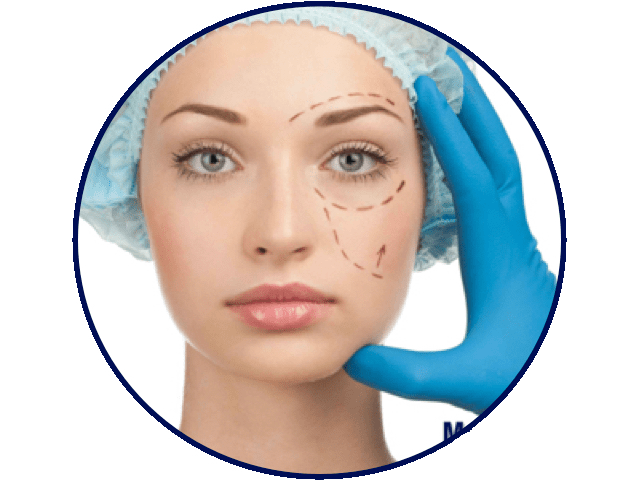
Choosing where to go under the knife can be stressful. Many different things can determine where you decide is best to do so. The choice can be driven by the cheaper procedures available overseas, especially when package deals are available with cheap flights, accommodation and an included holiday is always a bonus (Miyagi, Auberson, Patel & Malata, 2011). Certain destinations can offer a price up to 70% lower than the price here in the UK, people may think this is because the surgeons are less qualified or the equipment isn’t as up to date however this isn’t always the case, some of the reasons for the lower price can include lower cost of labour, real estate values and construction costs(New look holidays, 2019). Common procedures like rhinoplasty (nose jobs) and breast augmentation are approximately £2000 cheaper in other European countries rather than the UK (Griffiths & Mullock, 2018).
Along side the price there has been a rapid rise in social media influence (Jacobson, Gruzd, Kumar & Mai, 2019), thanks to the internet and newly available technologies many people have become obsessed with their appearance and changing their bodies to gain positive feed back from others when posting their pictures online (Smith & Puczko, 2008). With many online influences, females in particular desire to look like some of these people. With local celebrities such as Chloe Khan (Khan, 2018) regularly posting on her Instagram page about surgeons she has used to get certain procedures such as the Brazilian butt lift, enquiries about similar procedures have seen a rise (Smith & Puczko, 2008). This can also fall into the ‘electronic word of mouth’ category.
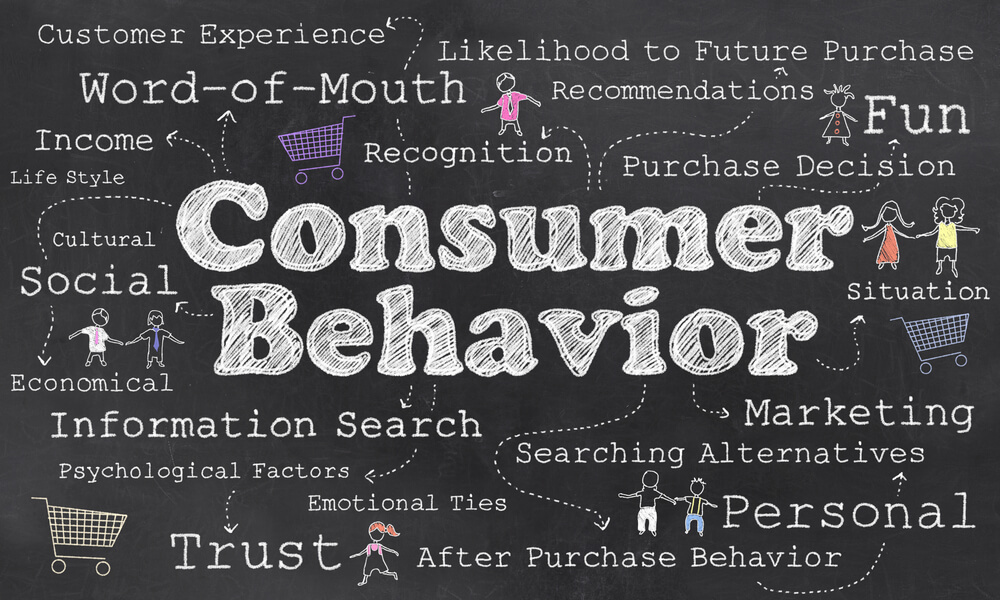
With word of mouth ranking most important when making a “purchase decision”, electronic word of mouth opens new doors for suppliers to advertise their business not only this previous clients can also leave unbiased reviews on sites such as ‘tripadvisor’ (Litvin, Goldsmith, & Pan, 2008) . With a higher volume of people connecting through electronic devices, a lot more people are likely to search for things they have seen or heard and a wider variety of options become available, But can we trust these methods?
References
Frue, K (2017). A guide to consumer behaviour for buisness success. Retrieved from https://pestleanalysis.com/consumer-behavior/
Griffiths, D., & Mullock, A. (2018). Cosmetic surgery: Regulatory challenges in a global beauty market. Health Care Analysis, 26(3), 220-234. doi:10.1007/s10728-017-0339-5
Jacobson, J., Gruzd, A., Kumar, P., & Mai, P. (2019). Networked influence: An introduction. Social Media + Society, 5(3), 205630511986547. doi:10.1177/2056305119865473
Khan, C [chloe.khan]. (2018, June 7). @elitecosmeticsurgery [Instagram]. Retrieved from https://www.instagram.com/p/BwAjEPyBx9M/
Litvin, S. W., Goldsmith, R. E., & Pan, B. (2008). Electronic word-of-mouth in hospitality and tourism management. Tourism Management, 29(3), 458-468. doi:10.1016/j.tourman.2007.05.011
Miyagi, K., Auberson, D., Patel, A. J., & Malata, C. M. (2011;2012;). The unwritten price of cosmetic tourism: An observational study and cost analysis. Journal of Plastic, Reconstructive & Aesthetic Surgery, 65(1), 22-28. doi:10.1016/j.bjps.2011.07.027
New look holidays. (2019). Why is cosmetic surgery abroad cheaper?. Retrieved from https://www.newlookholiday.co.uk/news/why-is-cosmetic-surgery-abroad-cheaper-/
Smith, M. & Puczko, L. (2008). Health and Wellness Tourism. London: Routledge.
 Cosmetic Tourism